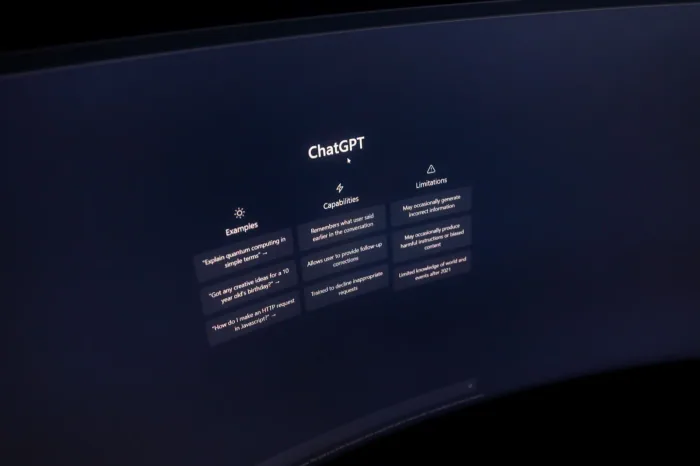
ChatGPT is now three years old as a real production tool at digital agencies. OpenAI opened it to the public in November 2022 (OpenAI blog) and, in 2026, 92% of Spanish marketing agencies say they use it daily according to IAB Spain's 2026 Agency Study. Mass adoption, yes. But adoption doesn't equal profitability: some tasks pay off from day one, others still yield zero savings — or negative.
Which tasks it actually replaced
The list is shorter than the sales narrative suggests. Five cases where the substitution is measurable:
- First-pass ad copy: variants for A/B testing, subject lines, product descriptions. Human review is still mandatory but time drops from hours to minutes.
- Internal translation across Spanish, English, Catalan, Portuguese. Replaces DeepL on long briefs where keeping context across the whole document matters.
- Meeting summaries transcribed with Whisper. A 60-minute call collapses to 8–10 actionable points in under 30 seconds.
- Structured-data extraction from long emails, proposals or contracts.
- Internal brief generation from a signed sales proposal. Used to take 30–45 minutes per project; now it takes five.
McKinsey itself estimates generative AI can contribute between $60 and $110 billion annually to the marketing and sales industry (McKinsey, 2023). The bulk isn't in creative tasks but in repetitive, structured-analysis ones — exactly where the list above lands.
What still fails in 2026
Hallucinations haven't gone away. A Stanford study measured invented-data rates between 3% and 27% depending on the type of legal query (Stanford HAI, 2024). At an agency, that forces verifying every factual claim before shipping to the client, and not using the model for technical diagnosis without an attached source.
Other tasks where the model contributes little: strategic diagnosis with client-owned data, vendor negotiation, fine brand-voice editing (still needs a copywriter with the brand book in mind), technical web audits (Screaming Frog + person is still faster and more accurate), and any decision that depends on historical context not published on the internet.
ChatGPT doesn't replace the agency. It replaces 30–40% of the low-value tasks the agency used to do by hand.
Real cost, not list price
ChatGPT Team for 5 seats costs $25 per user per month (OpenAI Pricing), about €1,500 a year for the team. When the agency integrates the API into automated workflows (n8n, Make, Zapier), average token spend runs €200–400 per month depending on volume. Total annual cost for a mid-sized agency sits below €6,000.
Returns show up when the team shifts from "open ChatGPT when it comes up" to embedding it into concrete processes. An internally measured example: an automation generating 40 internal briefs per month saves the team about 22 hours of raw drafting per month, which at senior average cost represents about €660/month recovered. The workflow paid for itself in two months.
How the team changed
The prompt engineer role as a standalone hire didn't stick. In 2026 it's been folded into every senior profile: copywriters who know how to load context, PPC managers who use the API to generate creative variants, and developers who embed models in the client's internal workflows.
What did change is the hour distribution: less time on raw drafting, more on review, validation and quality control. That reallocation is what makes the investment profitable, not the per-query direct saving.
Wrap-up
ChatGPT doesn't replace the agency. It replaces 30–40% of the low-value tasks the agency used to do by hand. The rest still demands judgment, history and accountability — things a probabilistic model can't sign. At udae we embed LLM models into custom software for our clients when the case justifies it, not before.